


Know Exactly What’s Biting – A 12-Month Fish Guide.
Meet The Snook
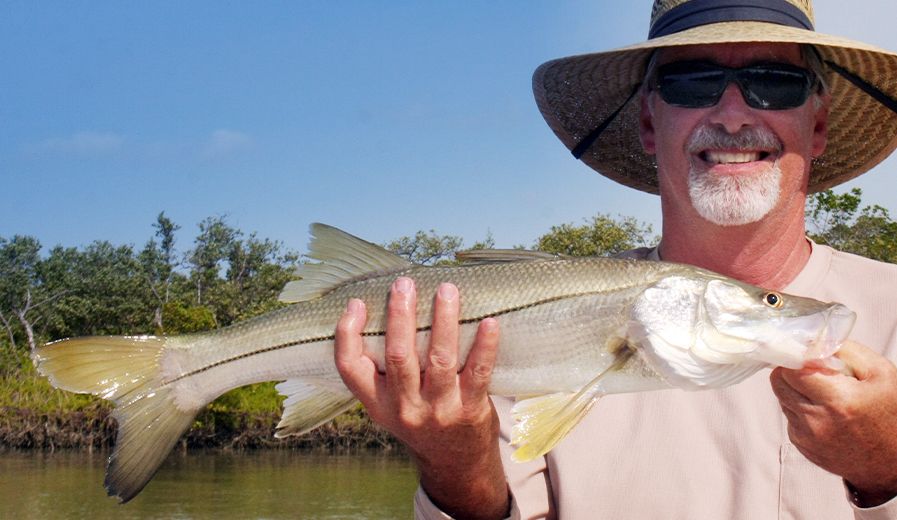
Explosive, silver-sided, and recognized by their bold black lateral line, Snook are one of the most thrilling inshore gamefish you can target near Port Sanibel Marina.
Fish Finder
Live Feed "fish Hot Spots"
The Numbers
Quick Facts
Centropomus Undecimalis
20–36 inches
40+ inches
5–20 lbs
53 lbs 10 oz
Over 53 lbs
Up to 20 years
April-October
1–100+ feet
70–86°F
“Mild, lean, delicate white fillets”
Near Port Sanibel Marina
Where to Find Snook
- Mangrove shorelines
- Tidal creeks
- Residential canals
- Bridges and dock lights
- Passes and inlets
- Oyster-lined shorelines
Fall:
Aggressive feeding near mangroves and creeks
Spring:
Excellent backwater and flats action
Summer:
Peak spawning activity near passes
Winter:
Deeper canals and warm-water refuges
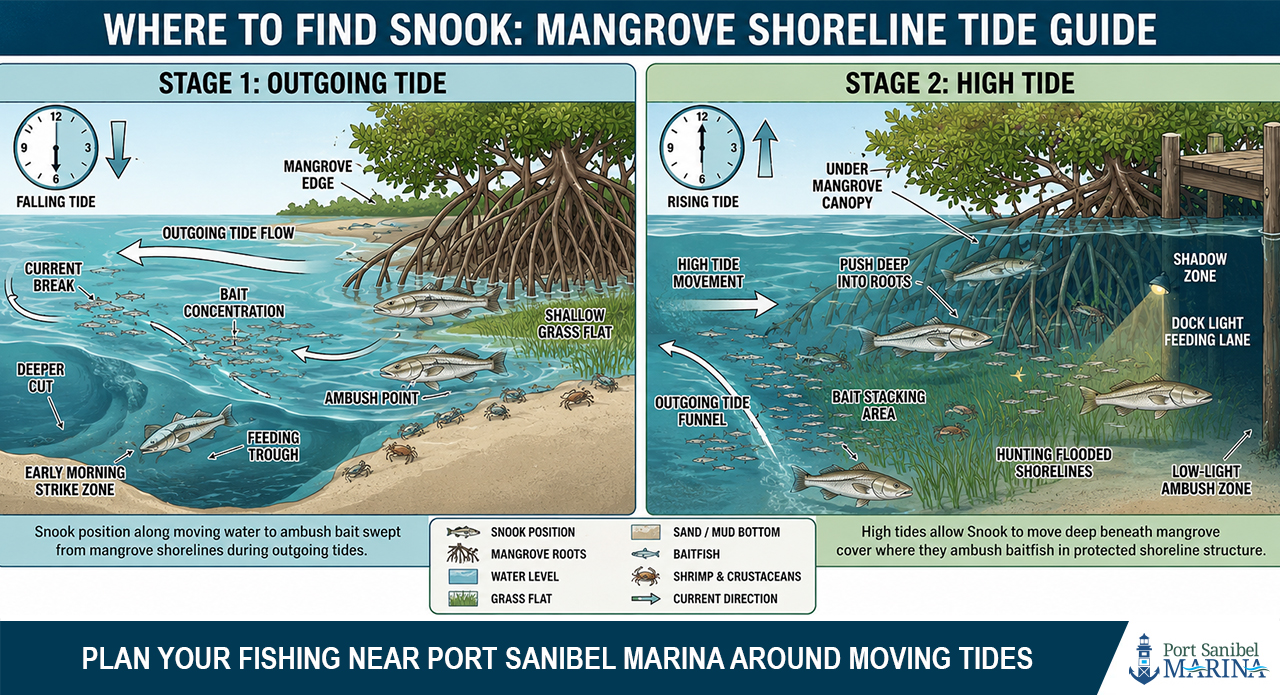
Snook feed aggressively during moving tides.
Outgoing tides often sweep baitfish from mangroves and canals, creating ideal ambush opportunities along shoreline points and current seams.
Target shaded mangrove cuts with live pilchards or soft plastics during the final two hours of an outgoing tide.
Redfish habitats
Shallow Grass Flats, Mangrove Shorelines
Tactics & Gear
How to Catch Snook
Recommended Gear
Recommended Gear
Artificial Lures
Artificial Lures
Live Bait
Live Bait
Beginner Tip
Cast beyond the strike zone and retrieve slowly near docks or mangroves. Snook ambush bait aggressively and often strike hard as the lure crosses current lines. Enjoy the fight!
Advanced Strategy
Target moving tides around structure and shadow lines. Polarized sunglasses help reveal wakes, bait movement, dock edges, or rolling fish hidden near mangroves and pilings.
Snook are explosive predators and will aggressively strike both live bait and artificial presentations.
Year-Round Calendar
Seasonal Snook Guide
Warming water temperatures ignite aggressive feeding patterns along flats, shorelines, and residential canals.
Large Snook migrate toward beaches, passes, and bridges for spawning activity and explosive feeding opportunities.
Cooling temperatures bring baitfish migrations feeding to mangroves and creek mouths.
Snook seek warmer, deeper water near canals, rivers, marinas, and protected backwater systems.
Setup for success
Gear & Tackle
Rod:
7’0″–7’6″ medium-heavy fast-action spinning rod.
Reel:
3000–5000 series spinning reel with a smooth drag system.
Main Line:
15–30 lb braided line for casting distance and sensitivity.
Leader:
25–50 lb fluorocarbon leader for abrasion resistance around structure.
Artificial Lures:
- Paddle tail soft plastics
- Walking topwater plugs
- Suspending twitch baits
- Bucktail jigs
- Weedless jerk shads
Live Bait:
- Pilchards
- Finger mullet
- Pinfish
- Shrimp
- Threadfin herring
Snook deliver explosive strikes, powerful fights, and thrilling inshore action. From mangrove shorelines to dock lights after dark, they challenge anglers with every cast through skill, timing, and tidal strategy.
Artificial Lures:
- Work topwater lures slowly at dawn or dusk.
- Pause twitch baits near docks and mangroves.
- Match lure colors to local baitfish.
- Target moving current seams.
Plan your fishing
Live Weather & Ocean Tides
Snook Fishing Season
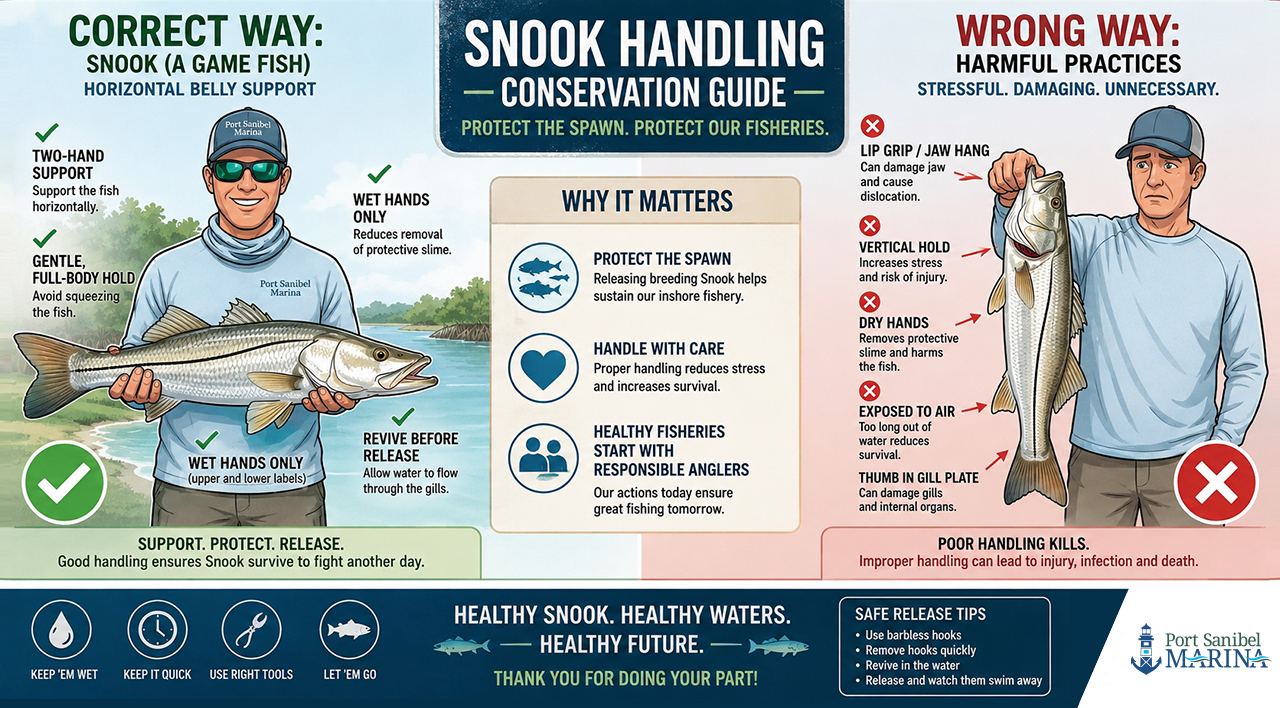
Catch & Release
Snook Rules
Harvest Slot (Total Length)
*Release all snook outside the 28"-33" slot and all snook during harvest closures.
Required Rules
Release Practices
Florida Fishing Seasons
Conservation & Regulations
Snook conservation efforts have helped restore populations statewide.
- Florida enforces seasonal Snook harvest closures.
- Overslot Snook must be released immediately.
- Use circle hooks when fishing with natural bait.
- Protect mangrove habitats and local waterways.
correct way to hold a Redfish
Conservation Message Effectively
Our Location
Dry & Wet Docking
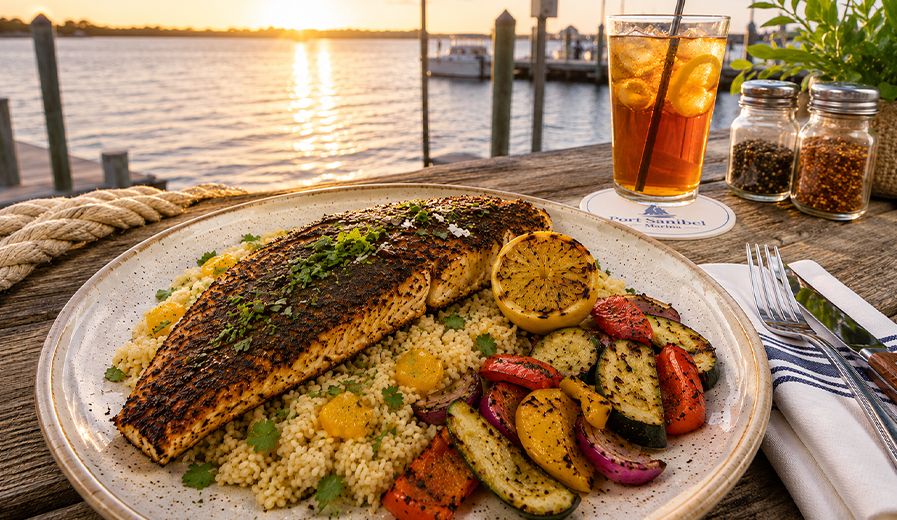
3 Delicious Snook Recipes
From Dock to Dinner
with Citrus Rice
Bold, buttery, unforgettable.
Ingredients
- Fresh Snook fillets
- Cajun blackening seasoning
- Butter
- Orange zest
- Citrus rice blend
- Lemon wedges
Preparation
- Heat the cast-iron skillet until extremely hot.
- Coat fillet generously with blackening seasoning.
- Sear Snook 3–4 minutes per side until flaky.
- Serve over warm citrus rice with lemon wedges.
Serve with
Coconut Rice
Grilled Asparagus
Pro Tip
Marina’s Pro Tip: Pat the fillet dry before seasoning to create a richer crust and lock in the Snook’s delicate buttery texture.
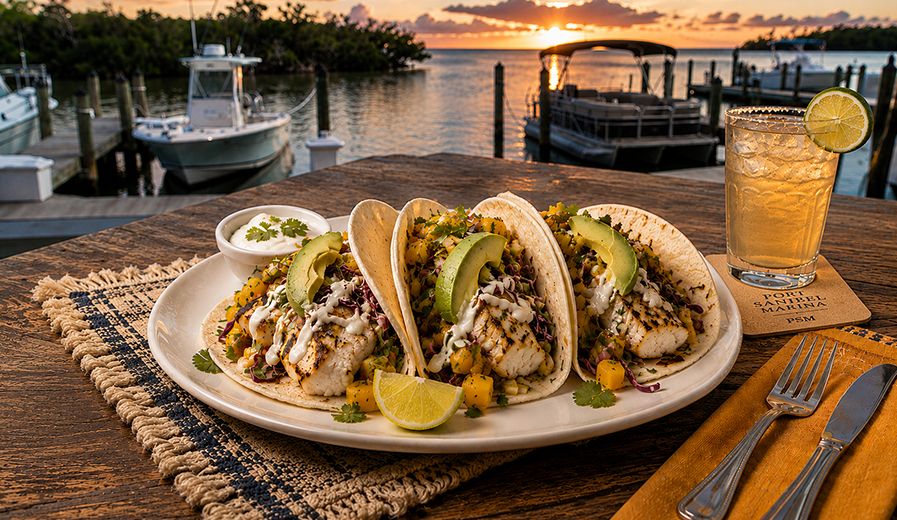
with Mango Slaw
Fresh, vibrant, unforgettable.
Brush with
- Chili lime crema
- Fresh cilantro
- Sea salt
- Lime juice
- Avocado slices
- Mango slaw
Preparation
- Grill Snook fillets 5–6 minutes until lightly charred.
- Warm tortillas and layer with mango slaw.
- Top with flaky Snook, crema, and avocado slices.
- Finish with fresh lime juice before serving.
Serve with
Coconut Rice
Citrus Black Beans
Pro Tip
Marina’s Pro Tip: Warm tortillas directly over flame for subtle char and extra flavor that perfectly complements the sweet mango slaw.
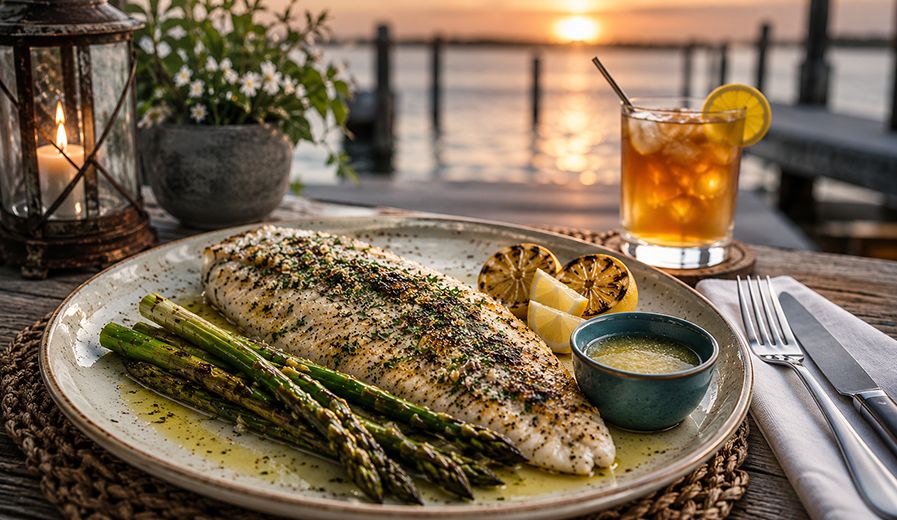
With Garlic Herb
Bright, savory, unforgettable.
Ingredients
- Fresh Snook fillets
- Garlic herb butter
- Lemon slices
- Fresh parsley
- Shallots
- Splash of white wine
Preparation
- Preheat oven to 400°F before baking.
- Coat Snook with garlic herb butter mixture.
- Add lemon slices and shallots around the fillet.
- Bake 12–15 minutes until flaky and tender.
Serve with
Steamed Asparagus
Roasted Potatoes
Pro Tip
Marina’s Pro Tip: Spoon warm garlic herb butter over the fillet halfway through baking to keep the Snook tender and flavorful.
Did You Know?
Snook Fun Facts
01
Snook can launch several feet into the air during a fight.
02
Their black lateral line helps them sense movement and vibration.
03
Large females produce millions of eggs during spawning season.
04
Snook often feed most aggressively during low-light periods.
05
They can survive in both saltwater and freshwater environments.
06
Dock lights attract baitfish and feeding Snook after dark.
07
Cold weather can dramatically impact Snook populations.
08
Snook are one of Florida’s most prized inshore gamefish.
09
Trophy Snook commonly patrol bridges and passes during the summer.
Fishing Experience
Angler Spotlight
“Watching a 40-inch Snook explode on a topwater plug beside the mangroves at sunrise was something I will never forget. The strike, the run, and the power were unreal. Fishing around Port Sanibel Marina completely changed the way I think about inshore fishing.”
– William R., Tennessee
Have Redfish Questions
We Have Answers
Peak Migration and Feeding Activity
Snook are active year-round in Southwest Florida, but late spring through early fall offers the most consistent action. During warmer months, Snook gather near beaches, passes, docks, and mangroves to feed aggressively and spawn. Cooler winter temperatures often push fish into canals, rivers, and deeper backwaters with stable warmth.
Understanding Current Flow and Ambush Zones
Moving water is critical when targeting Snook. Incoming and outgoing tides funnel bait through mangrove shorelines, dock pilings, bridges, and creek mouths where Snook wait to ambush prey. Strong tidal movement during sunrise, sunset, or nighttime dock-light conditions often creates the best feeding opportunities.
Finding Structure, Shade, and Current
Snook thrive near mangroves, docks, seawalls, bridges, tidal creeks, and beach troughs. They prefer areas with moving water, shade, and structure that naturally concentrate baitfish. During summer spawning months, beaches and passes can produce larger trophy-class Snook.
Matching Local Forage and Water Conditions
Live pilchards, finger mullet, shrimp, and pinfish are top natural baits for Snook. Artificial lures like paddle tails, twitch baits, swimbaits, and topwater plugs also produce excellent results. In clear water, natural silver and white baitfish colors typically work best.
Following Seasonal Closures and Size Limits
Florida carefully manages Snook populations through seasonal harvest closures, slot-size regulations, and bag limits that vary by region. Overslot fish must be released immediately, and anglers using natural bait are encouraged to use circle hooks to support healthy catch-and-release practices.
Have Additional Questions?
We Can Help.
- Fishing questions
- Boat rental, bait, weather, and location