


September 2026
Fishing Report.
Hot days, warm waters, and nonstop action! September brings some of the year’s
best opportunities in the waters around Fort Myers, Sanibel & Captiva.
REPORT PERIOD
September 1 – September 30,
2026
AREA COVERED
Sanibel, Captiva &
Pine Island Sound
ZONES
Inshore, Nearshore
& Backwater
Weather at a Glance

Water Temperature
Port Sanibel · Fort Myers coastal conditions
CURRENT WATER
85°F
Warm
6-HOUR OBSERVATION HISTORY
Falling
-0.9°
Water Temperature
Each dot = one plotted observation Points are about 25–30 min apart Horizontal lines = °F
Read the water
Warm water increases fish metabolism but can reduce dissolved oxygen. Favor moving water, deeper cuts, structure, shade and strong tidal exchange.
Cool
Hot
Metabolism
Elevated
Oxygen focus
Moving water
Structure
Shade + depth
Best clue
Bait activity
Wind Conditions
6-hour observation history · trailing 1-hour summary
PREVAILING WIND
E
E 2–4 kts
N
E
S
W
6-HOUR OBSERVATION HISTORY
Light
Wind Speed
Each dot = one plotted wind observation Points are about 25–30 min apart Horizontal lines = knots
Read the wind
Wind affects chop, drift, casting and boat positioning. Moderate wind can improve oxygen exchange and concentrate bait on windward shorelines.
Surface
Light chop
Drift
Manageable
Casting
Good
Positioning
Active
Tide Intelligence
24-hour tide window · history left · forecast right
PREDICTED WATER LEVEL
High & Low Tide Timeline
Move across the graph to see the predicted tide height at any exact time.
NEXT TURNLOW 4:42 AM
TIDE RANGE1.8 ft
Aqua curve = predicted water height
Dashed line = right now
Cards = exact high / low tide
Tide predictions are refreshing.
SUNRISE7:15 AM
SUNSET7:26 PM
Outgoing water concentrates the bait
Falling water drains mangroves, creeks and flats. Bait is funneled toward drains, channel edges and ambush points where snook, redfish and other predators can set up.
PRIME WINDOW3:12 AM–6:12 AM
TIDE RANGE1.8 ft · Moderate swing
SLACK ESTIMATE4:42 AM
LUNAR EFFECTTransition
Moon Intelligence
Phase · illumination · Southwest Florida fishing context
80%ILLUMINATED
Waxing GibbousBright moonlight
Waxing Gibbous
A gibbous moon is more than half illuminated. Waxing means the bright portion is growing; waning means it is shrinking.
ORBIT PROGRESS35%Time through the 29.5-day cycle
VISIBLE LIGHT80%Portion of the disk illuminated
NewFirst QuarterFullLast QuarterNew
Use the moon to understand the tide — not to replace it
Between the major lunar phases, tidal range is transitioning. Treat the moon as context and let the live tide curve, water temperature, wind and bait activity drive the final fishing decision.
1 Tide movement → 2 Wind + water → 3 Moon context
WAXING / WANINGWaxing
NIGHT LIGHTBright moonlight
LUNAR AGE10.4 days
KEY IDEAOrbit % ≠ illumination %
Weather at a Glance
Port Sanibel Marine Conditions
Check live water temperature, wind, tide trend, and moon phase before you head out.
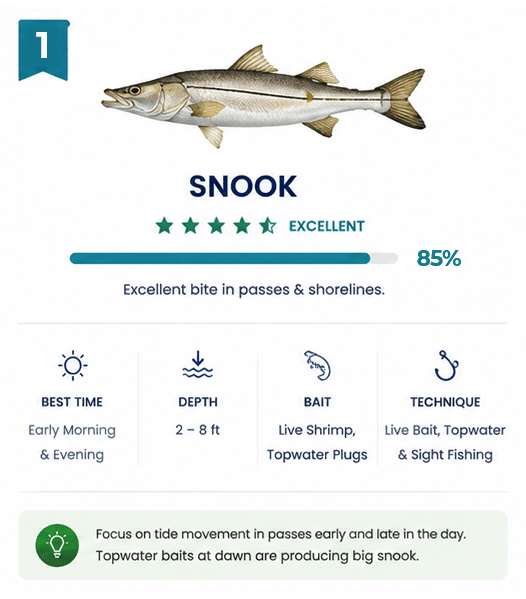
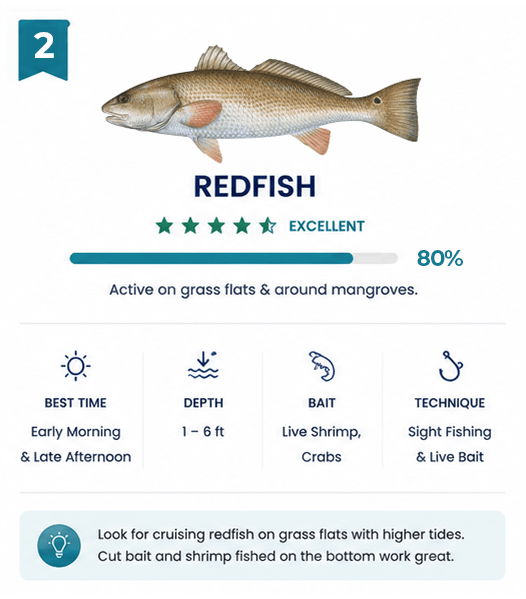
Top Fish Species This Month
Captian's Playbook
Fishing Conditions &
Local Tips.
Smart decisions on the water come from experience, observation, and respect. Here are three simple principles that make every trip more intentional—and more rewarding.
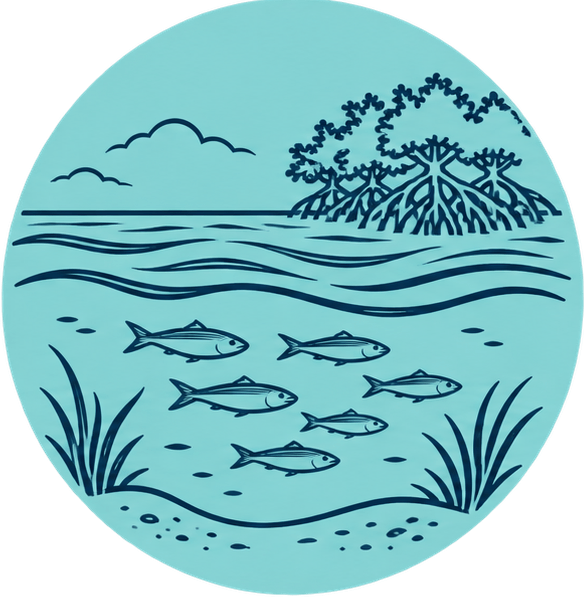
READ THE WATER
Find moving bait and clean edges
where predators position.
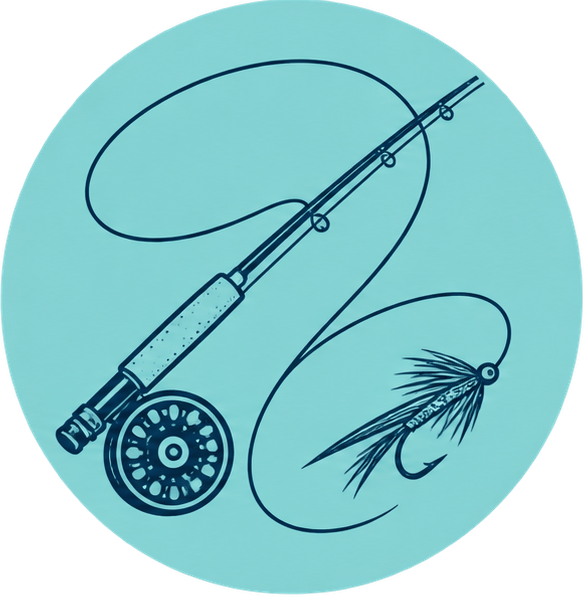
MATCH THE MOMENT
Choose fly or spin based on wind,
light, and what your target wants.
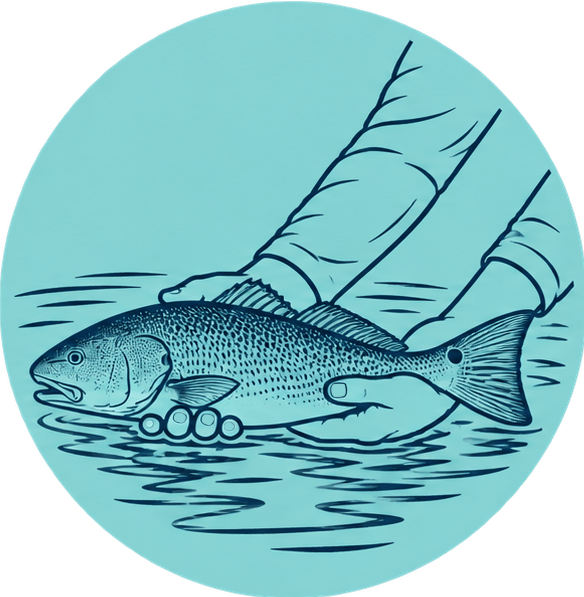
FISH WITH RESPECT
Handle fish carefully and protect
the resource for tomorrow.

September Focus
Early light, moving water, patient presentations.
Ready to go fishing?
Fly & Spin Fishing Tactics that Get Results
Three fish. One
unforgettable month.
Each species brings its own thrill to the waters of Sanibel Marina. Learn their habits, prime times, and how to catch them.
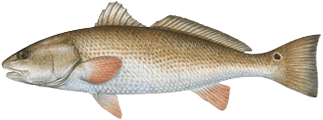
Redfish
Copper Bulldozer of the Flats
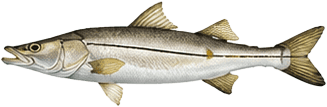
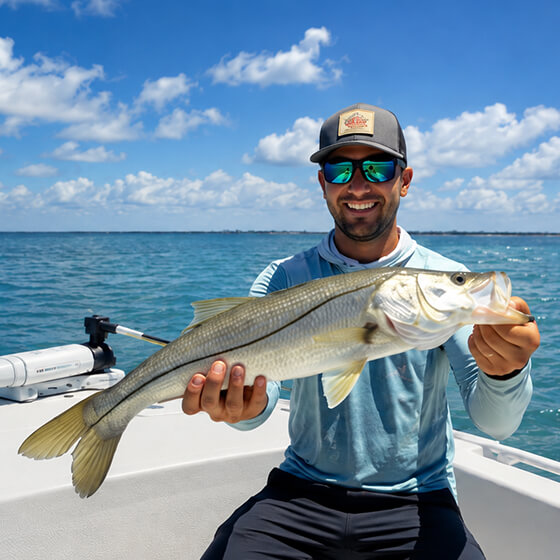
Snook
Shadow-Line Striker of the Mangroves
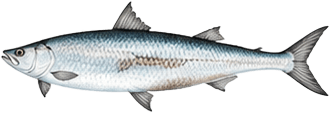
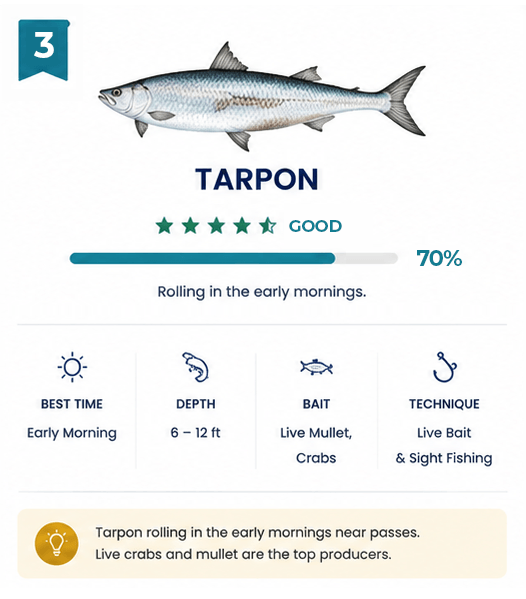
Tarpon
Silver King – Resident Class
Fly Fishing
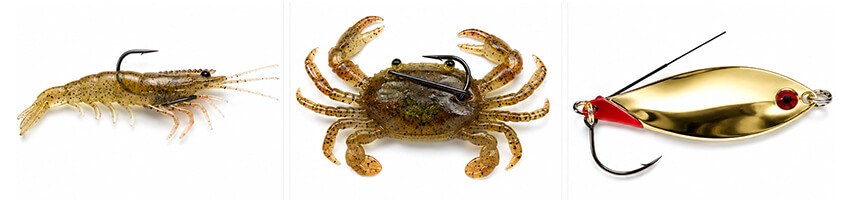
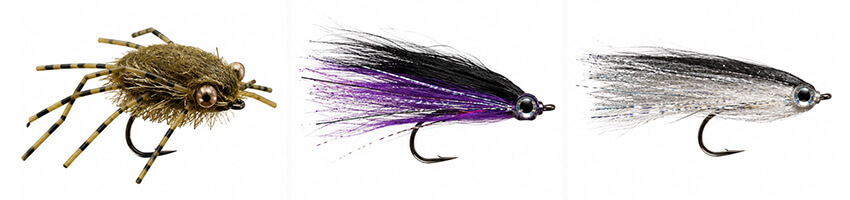
Redfish are moving along shallow grass flats and mangrove shorelines, especially early and late in the day. Present a small crab, shrimp, or baitfish pattern ahead of cruising fish, then let it settle naturally before making a short, calm strip.
Poling shallow flats at sunrise to target pushing, tailing, or schooling redfish.
Weedless gold-spoon flies, heavy-weighted crab patterns, or dark baitfish imitations.
Cast 2 feet ahead of moving schools; use short, bumpy strips along the bottom.
8-weight rod with a stout 20lb fluorocarbon leader to handle heavy structure.
Spin Fishing
Work potholes, oyster bars, and mangrove edges with a weedless paddle tail, gold spoon, or live shrimp. A slow retrieve with brief pauses is producing the most consistent redfish strikes, particularly around moving water.
Skipping weedless plastics deep into flooded mangrove overhangs or casting to oyster bars.
Scented soft plastics (Gulp! shrimp) under popping corks or weedless gold spoons.
A slow, hopping retrieve along grass patches or a steady popping cadence.
7’ Medium-heavy action rod paired with 15lb braid for maximum pulling power.
Fly Fishing Bait
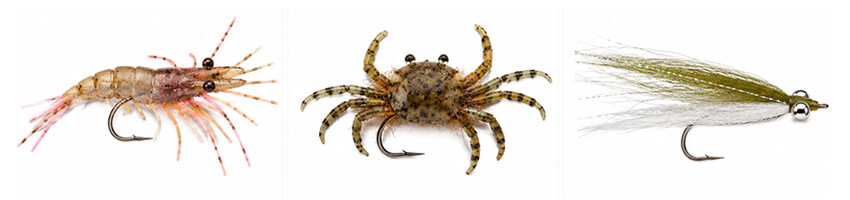
Spin Fishing Bait
Fly Fishing Technique
Spin Fishing Technique
Fly Fishing
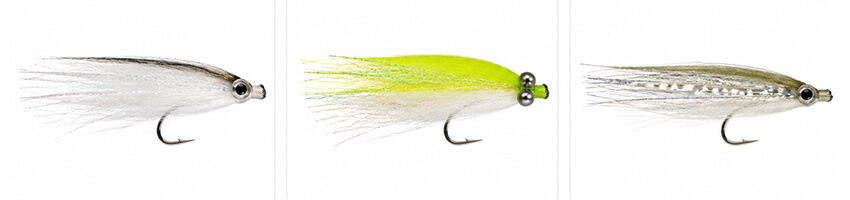
Snook are holding close to mangrove points, dock lines, and deeper cuts where bait is gathering. A white baitfish fly or small streamer, delivered tight to cover and stripped with steady confidence, can draw an exciting reaction bite.
Casting around pass points, shadow lines, or mangrove edges on moving water.
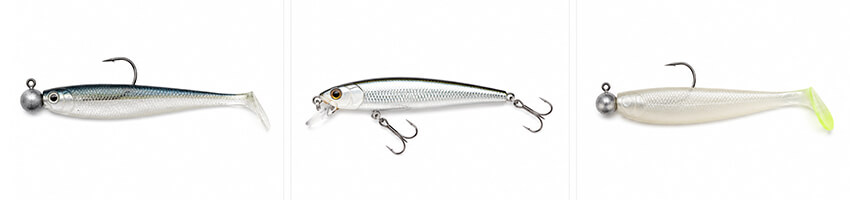
White baitfish patterns, shiners, or weighted DT Minnows.
Land the fly quietly near structure and retrieve with quick, erratic strips.
8 or 9-weight rod with a floating or clear sink-tip line and a 30lb fluorocarbon bite tippet.
Spin Fishing
Target shaded docks, mangrove shorelines, and tidal passes with a soft-plastic jerkbait, live pilchard, or suspending lure. Cast close to structure and work it patiently; snook often strike just as the bait begins to move away.
Working pass currents or targeting shadow lines along bridge pilings and docks.
White 4-inch paddle tails, flair hawk jigs, or topwater walk-the-dog plugs at first light.
Erratic topwater twitches early; slow bottom bounces with jigs as the sun rises.
3000-series reel with a high-speed retrieve and a 40lb fluorocarbon leader.
Fly Fishing Bait
Spin Fishing Bait
Fly Fishing Technique
Spin Fishing Technique
Fly Fishing
Tarpon remain a thrilling possibility around passes, beaches, and deeper channels when bait schools are present. Use a well-placed baitfish fly, keep your presentation moving naturally, and stay ready for a powerful, sudden take.
Setting up in deep backcountry river mouths or harbor channels where resident pods roll at dawn.
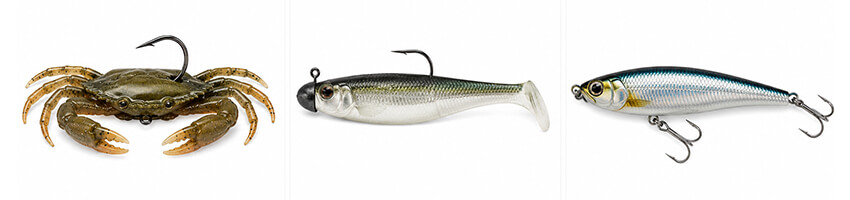
Dark-colored Tarpon Toads (black/purple) or natural green/white streamer flies.
Lead rolling fish by 10 feet and use slow, steady strips to keep the fly at eye level.
10 to 12-weight setup with an intermediate tip line to slice through summer chop.
Spin Fishing
Watch for rolling fish and nervous bait near passes, bridge approaches, and channel edges. Live crabs, threadfin herring, and swimbaits are all worthwhile choices. Give hooked tarpon room to run and enjoy every airborne jump.
Drift-baiting deep cuts or sight-casting swimbaits to rolling schools.
10-inch soft plastic swimbaits, heavy metal jigs, or live pass crabs and pinfish.
Cast ahead of traveling fish and retrieve at a natural angle across the school.
8000 series spinning reel spooled with 65lb braid and an 80lb fluorocarbon leader.
Fly Fishing Bait
Spin Fishing Bait
Fly Fishing Technique
Spin Fishing Technique
Captian's log
September's
best bite starts with
movement.
When the fall mullet run begins, the water comes alive. Watch the bait, work the current, and fish the edges where predators are waiting.
FOLLOW THE MULLET RUN
Find moving bait and clean edges
where predators position.
WORK THE MOVING WATER
Choose fly or spin based on wind,
light, and what your target wants.

FISH THE MANGROVE EDGES
Handle fish carefully and protect
the resource for tomorrow.

September Focus
Find the bait. Follow the movement. Let the water
tell the story.
Ready to put the captain’s notes to work?
THE MONTH AHEAD
Where the
September bite is
headed.
A simple, refreshable outlook for the
species and patterns defining this month
on the water.
REDFISH
PRIME
Big schools are working shallow flats, oyster bars, and high-water mangrove edges.
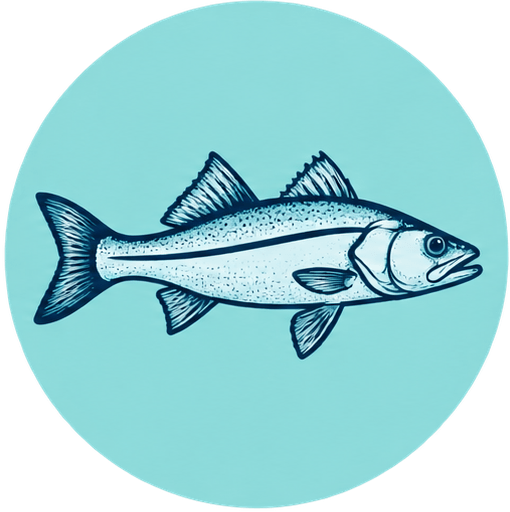
SNOOK
Excellent
Fall bait movement is concentrating active fish around passes, points, and creek mouths.
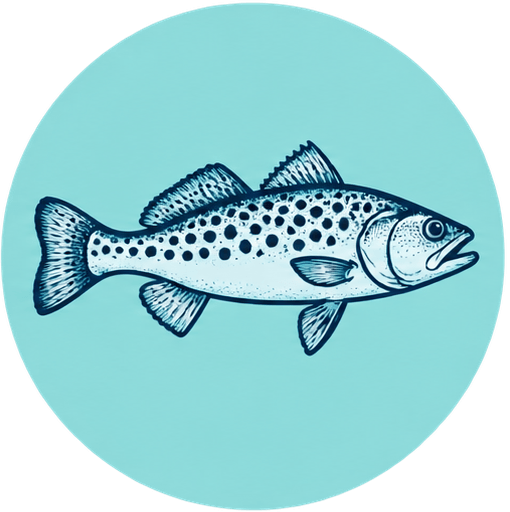
SEATROUT
GOOD
Cooling mornings are bringing steady action across deeper grass flats and potholes.
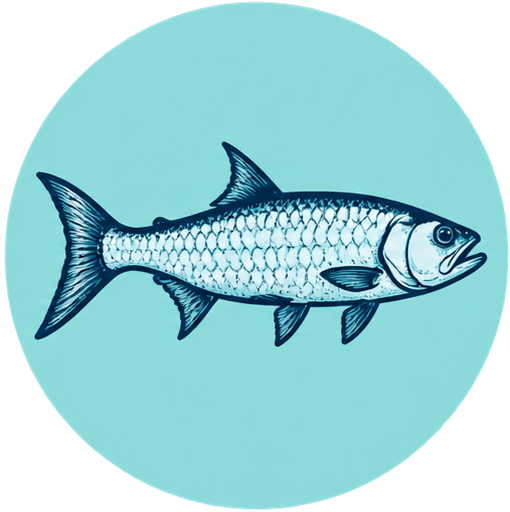
TARPON
TARPON
Resident fish remain a rewarding early-light option around deeper channels.

September Focus
Look for moving bait around points, creek mouths, and mangrove edges. Follow the movement—predators will not be far behind.
Ready to make your September story?
THE SEPTEMBER Bite Chain
Follow the bait. Find the bite.
September’s mullet run connects the entire inshore fishery. Here is how the action unfolds.
Shallow Flats
REDFISH
Schools push across oyster bars and flooded edges.
Mangrove Ambush
SNOOK
Follow mullet along points, passes, and creek mouths.
Grass-Flat Revival
SEATROUT
Work potholes and deeper grass as mornings cool.
REDFISH
LOOK FOR PUSHING WATER
Focus on oyster bars, points, & windy shorelines.
SNOOK
WATCH THE CURRENT SEAM
Target creek mouths, pass edges, & outside bends.
SEATROUT
DRIFT THE DEEPER GRASS
Work potholes, drains, & grass-line drops.
September rewards anglers who read the movement.
Your SEPTEMBER Your Way
Choose your way to the bite.
From unforgettable charters to easy boat rentals and expert gear, we’ve got everything you need for a great day on Sanibel waters.
Fish With A Captain
Local knowledge, a dialed-in boat, and a day built around the bite.
BOOK A CHARTER
Explore ChartersCAPTAIN YOUR OWN DAY
Set your own pace and follow the report from the dock to the flats.
RENT A BOAT
Explore RentalsGEAR UP & GO
Everything you need to launch prepared and fish with confidence.
VISIT THE SHIP STORE
Get OutfittedThe water is waiting.
Plan your next cast
From report to REAL WATER.
September brings prime conditions across Pine Island Sound—cooler mornings, moving water, and hungry gamefish feeding hard.
Whether you’re chasing snook along the mangroves or running offshore for redfish and mackerel, our local captains know where the action is and how to put you on it.
Swing by our Ship Store for live bait and tackle, or call our team directly to lock in your next adventure.


Your day on the water STARTS HERE.
SEPTEMBER 2026 • Fishng Report Q&A
Ask the CAPTAIN.
Fish, weather, and water questions local anglers are asking right now — answered for this month’s conditions.
Why is September such a strong month for Redfish?
September is peak spawning season. Look for large schools on open flats, oyster bars, and high-water mangrove edges—especially where mullet are moving.
Which tide should I fish for flooded mangroves?
Fish the last half of the incoming tide through high water. Rising water gives Redfish room to push deep along shoreline roots, flooded oyster bars, and quiet mangrove pockets.
Where are Snook holding as the fall mullet run begins?
Focus on pass points, mangrove island corners, dock-shadow lines, and river mouths. Dawn, dusk, and strong moving water are the best times to find fish staging around bait.
Are Seatrout worth targeting again this month?
Absolutely. As early-fall water temperatures begin to ease, Seatrout become more consistent over 4–7-foot grass flats, potholes, and sandy grass edges—especially on an early incoming tide.
What should I bring for a September inshore trip?
Bring mullet imitations, a topwater plug for first light, gold spoons or soft plastics for Redfish, and stronger leaders for Snook around structure. Live shrimp and finger mullet are dependable backup options.
What weather change matters most before I launch?
Watch the wind and the water clarity it creates. Light morning winds can keep the flats fishable, while late-summer runoff may stain backcountry water. Favor moving, cleaner water where bait is active.