Fishing Report.
Fishing Report.
November 2026.
Cooler mornings, changing tides, and active inshore fishing! November brings the first steady taste of cooler-weather fishing to the waters around Fort Myers, Sanibel, and Captiva.

November 1 – November 30, 2026
Last updated October 3
ZONES
Inshore, Nearshore & Backwater
Weather at a Glance

Port Sanibel Marine Conditions
Check live water temperature, wind, tide trend, and moon phase before you head out.
In This Month’s Report
Featured species
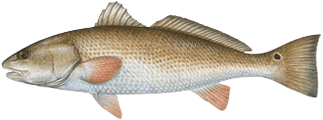
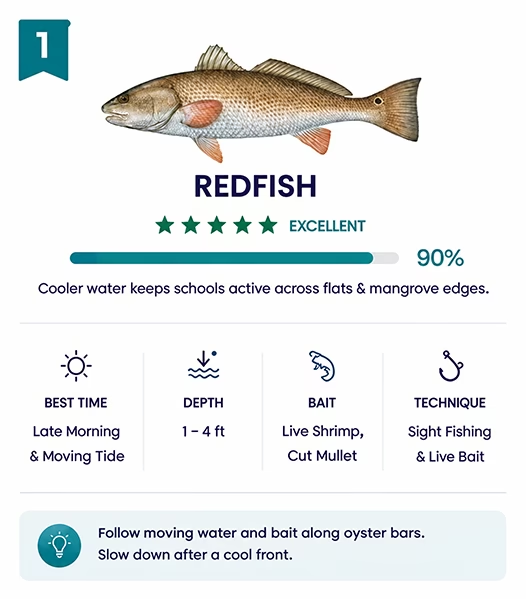
Redfish
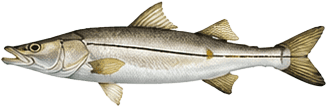
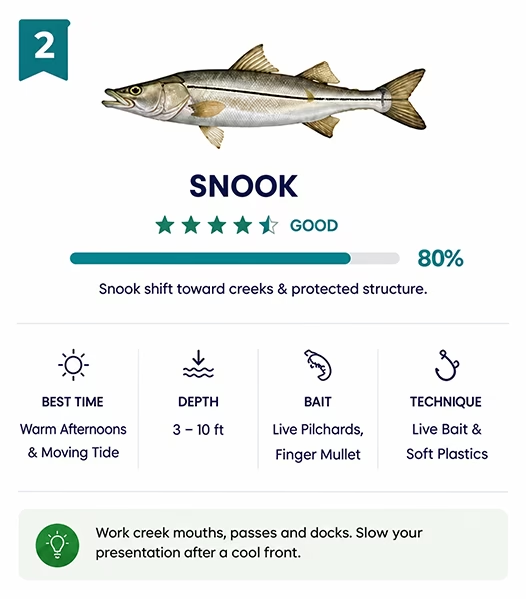
Snook
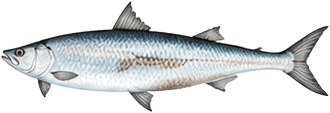
Tarpon
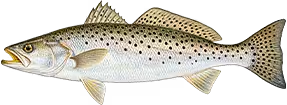
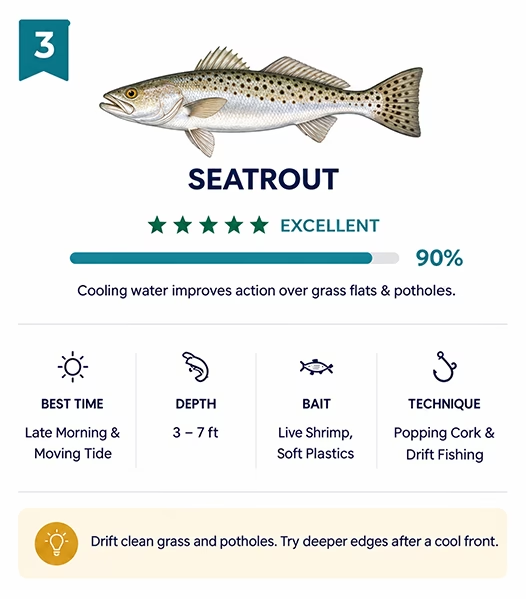
Seatrout
2026 · 12 Reports · Updated Monthly
LOCAL WEATHER & TIDE CONDITIONS
October 2026
Check Current
Conditions.
Check current weather and water conditions before you head out. Use these live links alongside the latest fishing report to plan your day.
Open Live Weather & Tide Links
Water Temperature
Port Sanibel · Fort Myers coastal conditions
CURRENT WATER
78°F
Comfortable
6-HOUR OBSERVATION HISTORY
Falling
-0.9°
Water Temperature
Each dot = one plotted observation Points are about 25–30 min apart Horizontal lines = °F
Read the water
Warm water increases fish metabolism but can reduce dissolved oxygen. Favor moving water, deeper cuts, structure, shade and strong tidal exchange.
Cool
Hot
Metabolism
Elevated
Oxygen focus
Moving water
Structure
Shade + depth
Best clue
Bait activity
Wind Conditions
6-hour observation history · trailing 1-hour summary
PREVAILING WIND
ESE
ESE 2–5 kts
N
E
S
W
6-HOUR OBSERVATION HISTORY
Light
Wind Speed
Each dot = one plotted wind observation Points are about 25–30 min apart Horizontal lines = knots
Read the wind
Wind affects chop, drift, casting and boat positioning. Moderate wind can improve oxygen exchange and concentrate bait on windward shorelines.
Surface
Light chop
Drift
Manageable
Casting
Good
Positioning
Active
Tide Intelligence
24-hour tide window · history left · forecast right
PREDICTED WATER LEVEL
High & Low Tide Timeline
Move across the graph to see the predicted tide height at any exact time.
NEXT TURNLOW 2:57 AM
TIDE RANGE1.7 ft
Aqua curve = predicted water height
Dashed line = right now
Cards = exact high / low tide
Tide predictions are refreshing.
SUNRISE6:38 AM
SUNSET5:44 PM
Outgoing water concentrates the bait
Falling water drains mangroves, creeks and flats. Bait is funneled toward drains, channel edges and ambush points where snook, redfish and other predators can set up.
PRIME WINDOW1:27 AM–4:27 AM
TIDE RANGE1.7 ft · Moderate swing
SLACK ESTIMATE2:57 AM
LUNAR EFFECTTransition
Moon Intelligence
Phase · illumination · Southwest Florida fishing context
25%ILLUMINATED
Waning CrescentModerate moonlight
Waning Crescent
A crescent moon is less than half illuminated. Waxing means the visible light is increasing each night; waning means it is decreasing.
ORBIT PROGRESS83%Time through the 29.5-day cycle
VISIBLE LIGHT25%Portion of the disk illuminated
NewFirst QuarterFullLast QuarterNew
Use the moon to understand the tide — not to replace it
Between the major lunar phases, tidal range is transitioning. Treat the moon as context and let the live tide curve, water temperature, wind and bait activity drive the final fishing decision.
1 Tide movement → 2 Wind + water → 3 Moon context
WAXING / WANINGWaning
NIGHT LIGHTModerate moonlight
LUNAR AGE24.6 days
KEY IDEAOrbit % ≠ illumination %
Top bites this Month
See this month’s top targets around Sanibel and Captiva. Each guide highlights a bite rating, best time, depth, bait, and technique to help you plan your day.
These monthly insights are a guide, not a real-time forecast. Tides, weather, and water conditions can change the bite.
Captain’s Playbook
Fishing Conditions &
Local Tips.
November rewards anglers who adjust to changing temperatures, follow bait, and fish the water that offers the best combination of warmth and current. These three principles can help make the most of a changing fall pattern.
FOLLOW THE BAIT
Look for mullet, pilchards, and nervous water where predators are feeding.
FISH THE MOVING WATER
Focus on points, drains, passes, and shoreline edges where current concentrates bait.
ADJUST AFTER A FRONT
After a cool front, try deeper, protected water and slow down your presentation until fish become active again.

October Focus
Cooler mornings, active bait, and well-timed presentations.
Ready to go fishing?
Fly & Spin Fishing Tactics that Get Results
Three fish. One
unforgettable month.
Each species brings its own challenge to the waters around Port Sanibel Marina. Learn their habits, prime areas, and how to approach them this month.
Redfish
Copper Bulldozer of the Flats
Snook
Shadow-Line Striker of the Mangroves
Seatrout
Grass-Flat Ambusher
Fly Fishing
November Redfish may school along shallow grass, oyster bars, and mangrove shorelines. Look for wakes, tails, and bait pushed against an edge. Lead moving fish with a small crab, shrimp, or baitfish pattern.
Pole shallow flats and mangrove shorelines while watching for wakes, tails, and pushing water.
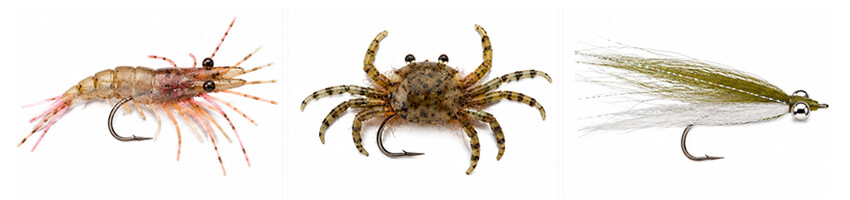
Gold spoon flies, tan crab or shrimp patterns, and olive-and-white baitfish imitations.
Lead moving fish by 3–5 feet and use short strips with deliberate pauses.
8-weight rod with floating line and a stout 20–25 lb fluorocarbon leader.
Spin Fishing
Work oyster points, grass edges, potholes, and mangrove shorelines with live shrimp or finger mullet, weedless paddletails, and gold spoons.
Cast ahead of moving schools or work likely ambush points during the upper half of the tide.
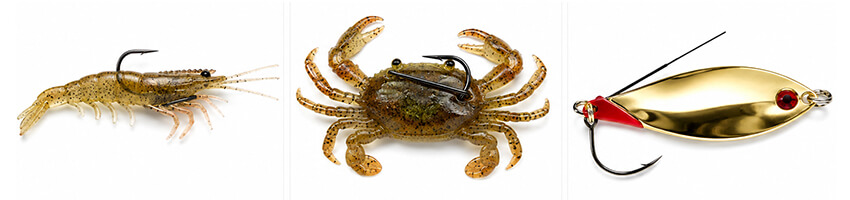
Weedless paddletails, gold spoons, scented shrimp, and live finger mullet.
Use a steady retrieve around active schools and a slower hopping retrieve through potholes.
7-foot medium-heavy rod with 15–20 lb braid and a 25–30 lb fluorocarbon leader.
Fly Fishing Bait
Spin Fishing Bait
Fly Fishing Technique
Spin Fishing Technique
Fly Fishing
As water cools, look for Snook around mangrove points, creek mouths, passes, and dock-shadow lines. Fish close to cover and let the current carry the fly naturally.
Target current seams, outside bends, mangrove points, and the down-current side of structure.
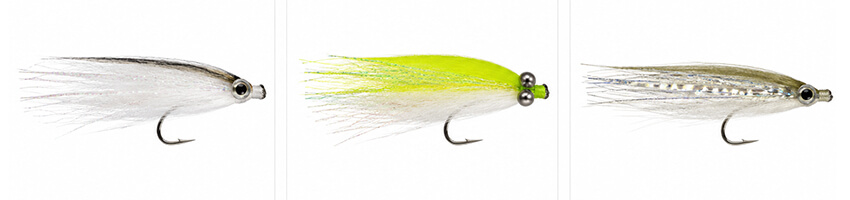
White or olive baitfish flies, Deceivers, DT Minnows, and small mullet imitations.
Cast tight to structure and retrieve with quick, irregular strips followed by a short pause.
8- or 9-weight rod with floating or clear sink-tip line and a 30–40 lb bite tippet.
Spin Fishing
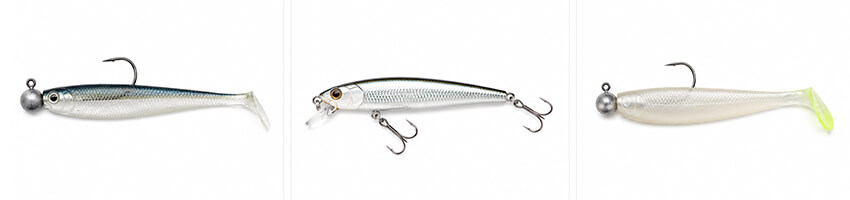
Target points, passes, docks, and mangrove shorelines with live pilchards, finger mullet, paddletails, or suspending jerkbaits.
Work the strongest current early, then move toward shaded shorelines and deeper cuts as the sun rises.
White paddletails, suspending jerkbaits, flair hawk jigs, and topwater plugs during warm, calm mornings.
Use an energetic surface retrieve early, then slow down around deeper structure later in the morning.
3000- to 4000-series reel with 15–20 lb braid and a 30–40 lb fluorocarbon leader.
Fly Fishing Bait
Spin Fishing Bait
Fly Fishing Technique
Spin Fishing Technique
Fly Fishing
Cooling water can make Seatrout a dependable target across grass flats, sandy potholes, and deeper edges. Search for bait over clean bottom and keep the fly moving just above the grass.
Drift the deeper grass and cast around potholes, sandy edges, and changes in bottom.
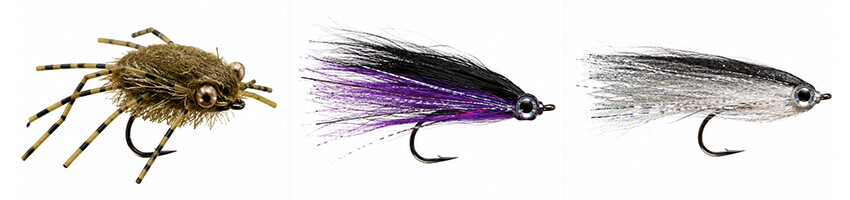
White-and-chartreuse Clousers, shrimp patterns, and small baitfish imitations.
Use a steady strip with short pauses, keeping the fly above the grass.
7- or 8-weight rod with floating line and a 20–25 lb fluorocarbon leader.
Spin Fishing
Drift grass flats and potholes with soft-plastic shrimp, paddletails, or live shrimp under a popping cork.
Cover likely feeding water methodically, then slow down when you find a concentration of fish.
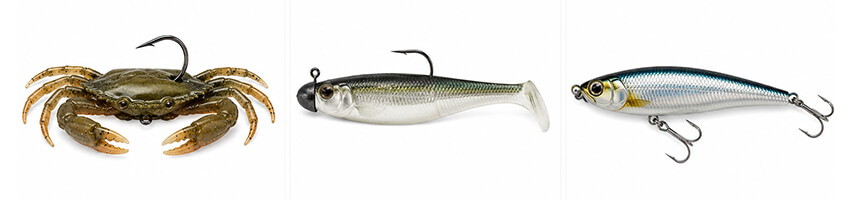
Soft-plastic shrimp, white or natural paddletails, and live shrimp under a cork.
Work the lure with a steady retrieve or small hops, adjusting depth to stay above the grass.
7-foot medium or medium-light rod with 10–15 lb braid and a 20–25 lb fluorocarbon leader.
Fly Fishing Bait
Spin Fishing Bait
Fly Fishing Technique
Spin Fishing Technique
Find the right bait for your next trip
Choose a season, target fish, and habitat to explore bait suggestions for Southwest Florida.
Captain’s log
November’s
best bite follows the
bait.
Cooler mornings and fall bait movement keep Redfish, Snook, and Seatrout in play across Pine Island Sound. Start around points and passes, then follow the current toward mangrove shorelines, creeks, and grass flats.
FOLLOW THE BAIT SCHOOLS
Look for mullet, diving birds, surface activity, and nervous water.
WORK THE CURRENT SEAMS
Target places where fast and slow water meet around points, drains, and channel edges.
ADJUST AFTER FRONTS
When wind shifts and temperatures fall, slow down and concentrate on deeper protected water.

October Focus
Find the bait. Read the current. Be ready when they meet.
Ready to put the captain’s notes to work?
THE MONTH AHEAD
Where the November
bite is headed.
A practical outlook for the species and patterns shaping this month on the water.
REDFISH
EXCELLENT
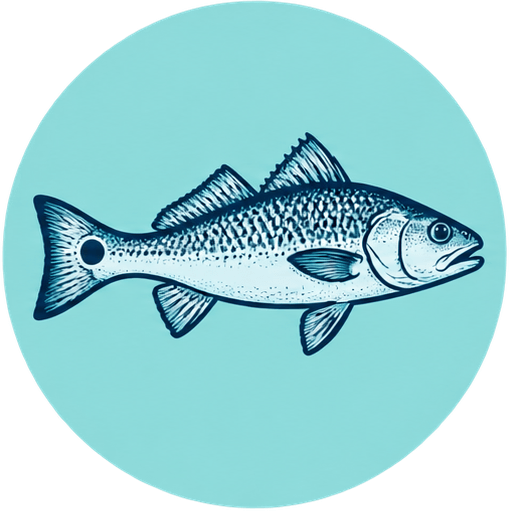
Look for schools across shallow flats, oyster bars, and mangrove edges. Follow bait and fish the moving water.
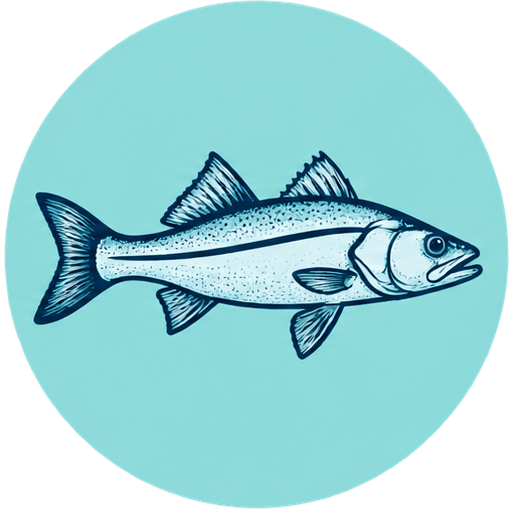
SNOOK
GOOD
Snook remain a target around passes, points, creek mouths, and docks. After a front, check deeper and more protected water.
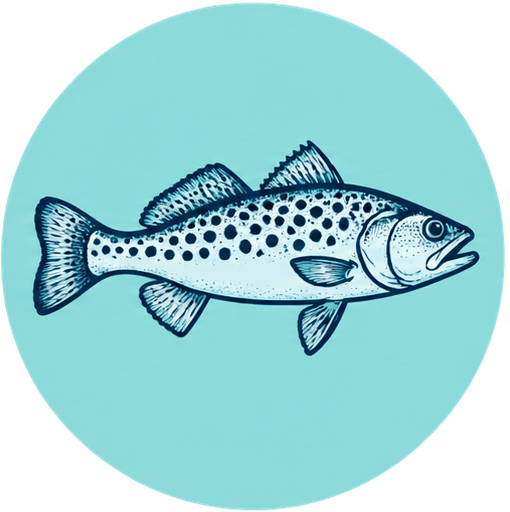
SEATROUT
EXCELLENT
Cooling water favors grass flats, potholes, sandy edges, and deeper grass. Drift until you find bait and clean water.
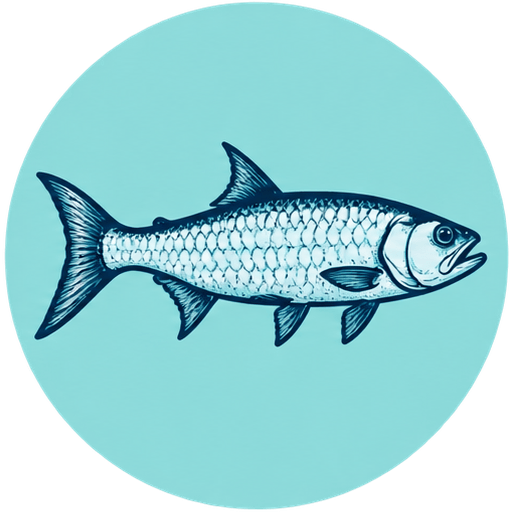
TARPON
Sporadic
Tarpon are no longer the month’s primary target, but resident fish may still be encountered around deeper channels and river mouths when conditions line up.
November Focus
Look for bait around points, creek mouths, grass edges, and protected shorelines. After a front, give deeper water a closer look.
Ready to make your October story?
THE November Bite Chain
Follow the bait. Find the bite.
November’s changing temperatures and fall bait movement connect the inshore fishery. Here is how the action can unfold.
Shallow Flats
REDFISH
Schools push across oyster bars, grass edges, and flooded shorelines.
Mangrove Ambush
SNOOK
Feeding fish hold around creek mouths, pass edges, dock shadows, and protected structure.
Grass-Flat Revival
SEATROUT
Cooling water can improve action over grass, potholes, and sandy edges.
REDFISH
LOOK FOR PUSHING WATER
Focus on oyster bars, shoreline points, and wind-driven edges.
SNOOK
WATCH THE CURRENT SEAM
Target creek mouths, pass edges, dock shadows, and outside bends.
SEATROUT
DRIFT THE DEEPER GRASS
Work potholes, sandy edges, drains, and grass-line drops.
October rewards anglers who follow the bait and read the tide.
Your November Your Way
Choose your way to the bite.
From unforgettable charters to easy boat rentals and expert gear, we have everything you need for a great October day on Sanibel waters.
Explore Charters
Local knowledge, a dialed-in boat, and a day built around the bite.
BOOK A CHARTER
View chartersBrowse Boat Rentals
Set your own pace and follow the report from the dock to the flats.
RENT A BOAT
View boat rentalsVisit the Ship Store
Everything you need to launch prepared and fish with confidence.
VISIT THE SHIP STORE
Explore the ship storeThe water is waiting.
November 2026 • Fishing Report Q&A
Ask the captain.
Fish, weather, and water questions local anglers are asking right now—answered for November’s conditions.
Which fish should I target around Sanibel in November?
Redfish, Snook, and Spotted Seatrout are strong inshore targets. Redfish favor shallow flats and mangrove edges, Seatrout can be found over grass and potholes, and Snook remain around passes, creeks, and structure.
Where should I look for Redfish?
Check oyster bars, shallow grass, and mangrove shorelines. Look for wakes, tails, bait activity, and water moving across the edge.
Where do Snook go as the water cools?
Start around passes, creek mouths, mangrove points, docks, and deeper cuts. After a front, try protected structure and slower presentations.
Are Seatrout a good November target?
Yes. Look across grass flats, sandy potholes, and deeper grass edges. Live shrimp under a popping cork and soft-plastic shrimp are useful options.
Are Tarpon still a dependable November target?
Tarpon are a less dependable target than Redfish, Snook, or Seatrout this month. A resident fish may still appear near deeper channels or river mouths, but plan around the inshore species and treat Tarpon as a bonus.
What should I bring for a November inshore trip?
Bring shrimp and baitfish imitations, a gold spoon or paddletail for Redfish, and stronger leaders for Snook around structure. Pack a light layer for a cool morning and check the forecast before leaving.
What weather change matters most before I launch?
Watch for a front and the wind shift that follows it. A cooler north wind can change water clarity and comfort on the water; after a front, try deeper or more protected areas and adjust your presentation.
Plan your next cast
From report to
real water.
November brings cooler mornings and changing conditions to Pine Island Sound. Follow Redfish across the flats, work mangrove edges and creek mouths for Snook, or drift grass for Seatrout. Let the day’s tide, wind, and water temperature guide your plan.
Whether you are fishing the flats, working protected shorelines, or searching deeper water, our local team can help you prepare for the conditions. Stop by our Ship Store for bait and tackle, or call our team to plan your next adventure.